
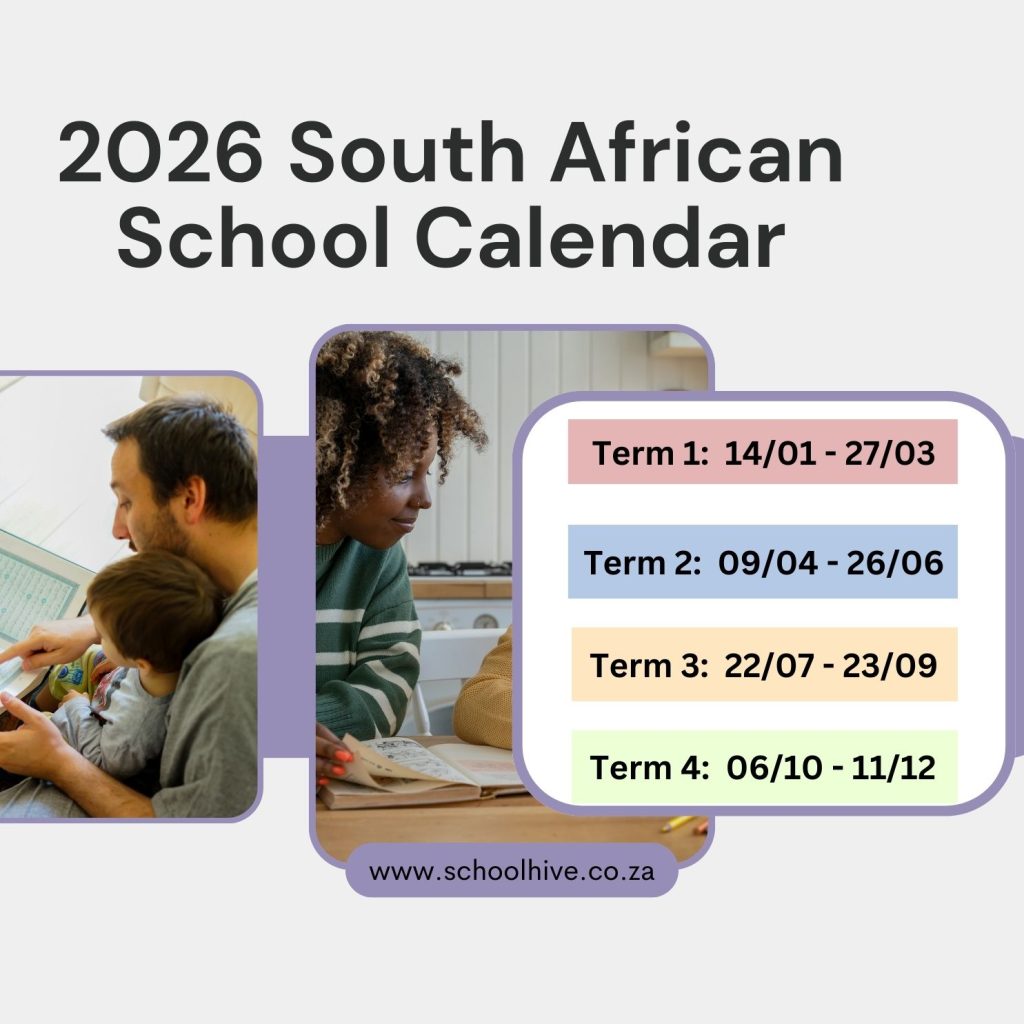
The South African Department of Basic Education is moving to modernise and simplify the school calendar, proposing a single national framework that will apply across all nine provinces.
Currently, inland and coastal provinces follow staggered academic schedules, a system the Department says can create confusion for learners, parents, and educators. The proposed national calendar seeks to harmonise start dates, providing a consistent educational experience regardless of location.
“By standardising the school calendar, we aim to streamline operations and ensure all learners follow the same academic rhythm,” the Department said in a statement.
A key shift under the new proposal is the removal of holiday traffic considerations when planning school breaks. Historically, the timing of school holidays was influenced by congestion on major routes, particularly around peak travel periods. Going forward, academic needs will take priority, ensuring term dates and breaks align strictly with educational requirements.
The reforms also aim to simplify the School Calendar Policy, removing outdated clauses, definitions, and redundancy. The Department says this will make the policy clearer, more accessible, and easier to implement for schools, educators, and provincial authorities.
Under the proposed system:
- The school year will begin on a Wednesday, with a consistent start in the third week of January.
- Teachers will report two days before learners, maintaining preparation time while keeping the academic rhythm familiar.
- Provinces will no longer need equal school days, as the national calendar inherently balances the academic year across regions.
- A new framework will determine term dates using a simple set of principles, replacing the previous cluster-based organisation.
Education experts say that a single national calendar could improve coordination between provinces, reduce confusion for families with children in different regions, and make planning easier for the Department and schools.
The Department is expected to finalise the proposal following consultations with provinces, educators, and stakeholders, with implementation likely in the coming academic year.